
THE BURNING RIM · AVIATION
EMISSIONS
AT
ALTITUDE
Aircraft emissions interact directly with one of the most sensitive regions of the atmosphere.
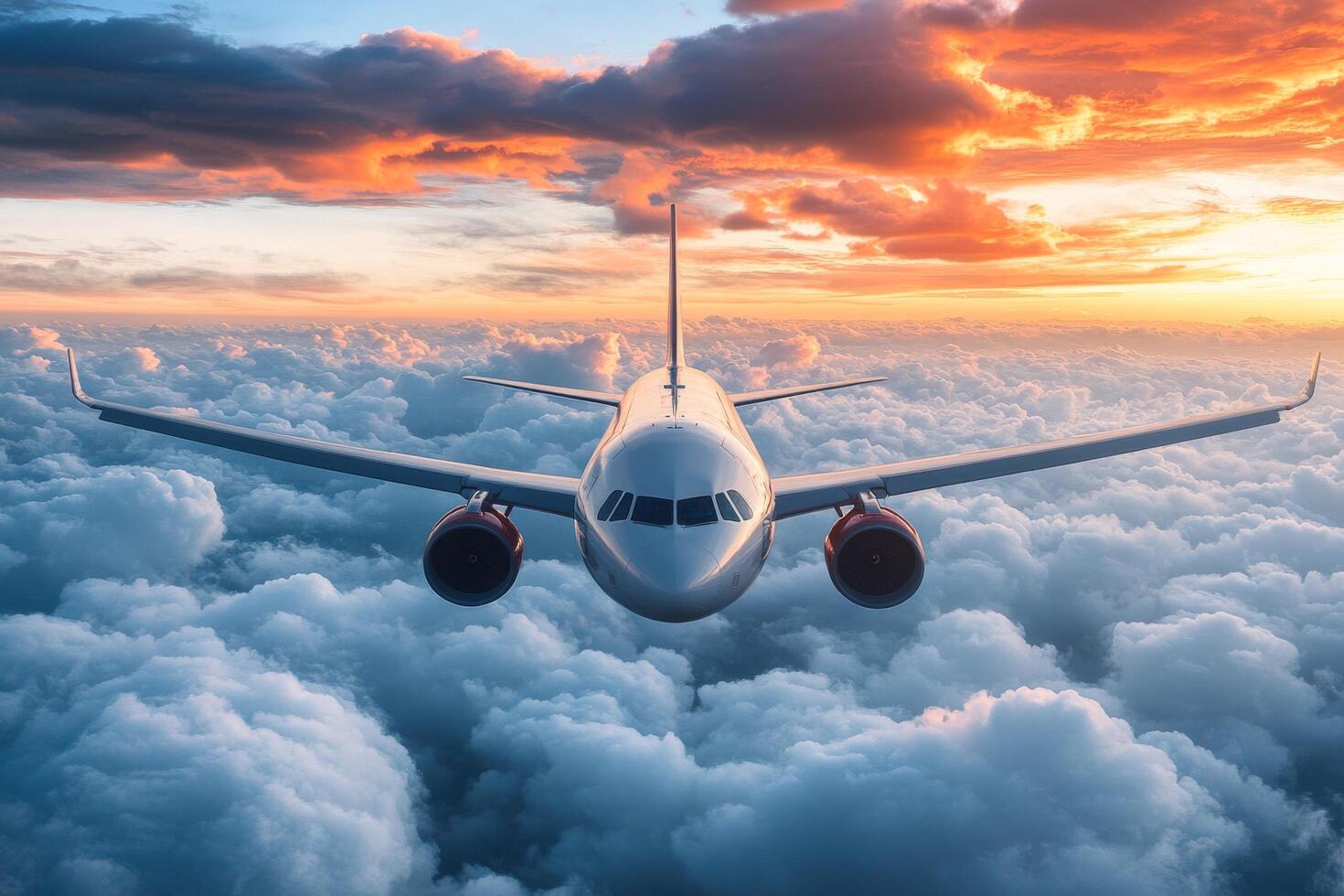
The aviation sector contributes to climate change through emissions released
at different altitudes during flight.
Aircraft engines emit carbon dioxide, nitrogen oxides, water vapor,
sulphur oxides and unburned hydrocarbons.
These emissions are not only important for their quantity, but also for the
altitude at which they are released.
Near the tropopause, where the atmosphere is particularly sensitive,
these substances can interact with atmospheric chemistry and influence
the radiative balance of the climate system.
CO₂
The main greenhouse gas emitted by aviation, directly contributing
to global warming.
NOx
Nitrogen oxides influence ozone chemistry, increasing ozone in the
troposphere and decreasing it in the stratosphere.
WATER VAPOUR
At high altitude, water vapor can modify cloud formation and
affect the radiative balance of the atmosphere.
WHERE EMISSIONS MATTER MOST
The impact of aviation is not only how much is emitted,
but where it is emitted: near the tropopause, even small changes
can have amplified effects on the climate system.